
VERIZON YELLOW PAGES · SHAR-PEI CAMPAIGN
A familiar face.
An idea unleashed.
The Shar-Pei / Yellow Pages campaign, followed by other Verizon work and the creative operations behind it.
Bob’s role
Creative leadership and marketing communications · 1995–2007 · 12-person organization · 29 markets.
Keep a large organization’s work coherent.
Across Verizon, Idearc Media, Bell Atlantic and NYNEX, Bob’s 1995–2007 creative leadership and marketing communications work combined campaigns with the systems needed to produce them. His leadership scope included a 12-person cross-disciplinary organization and creative operations across 29 markets.
The work spanned digital, print, broadcast, out-of-home and promotional channels, while supporting major brand transitions. The challenge was to keep the message recognizable as both the medium and the local market changed.

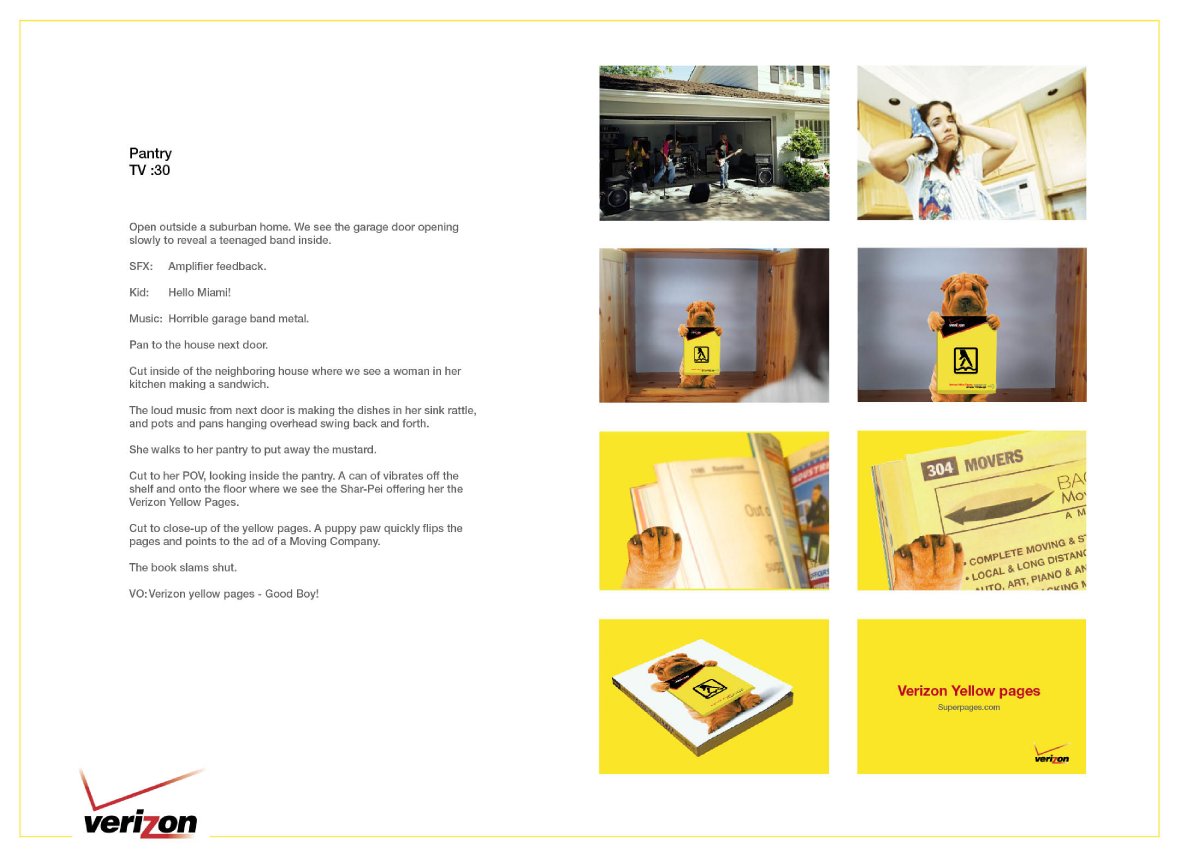
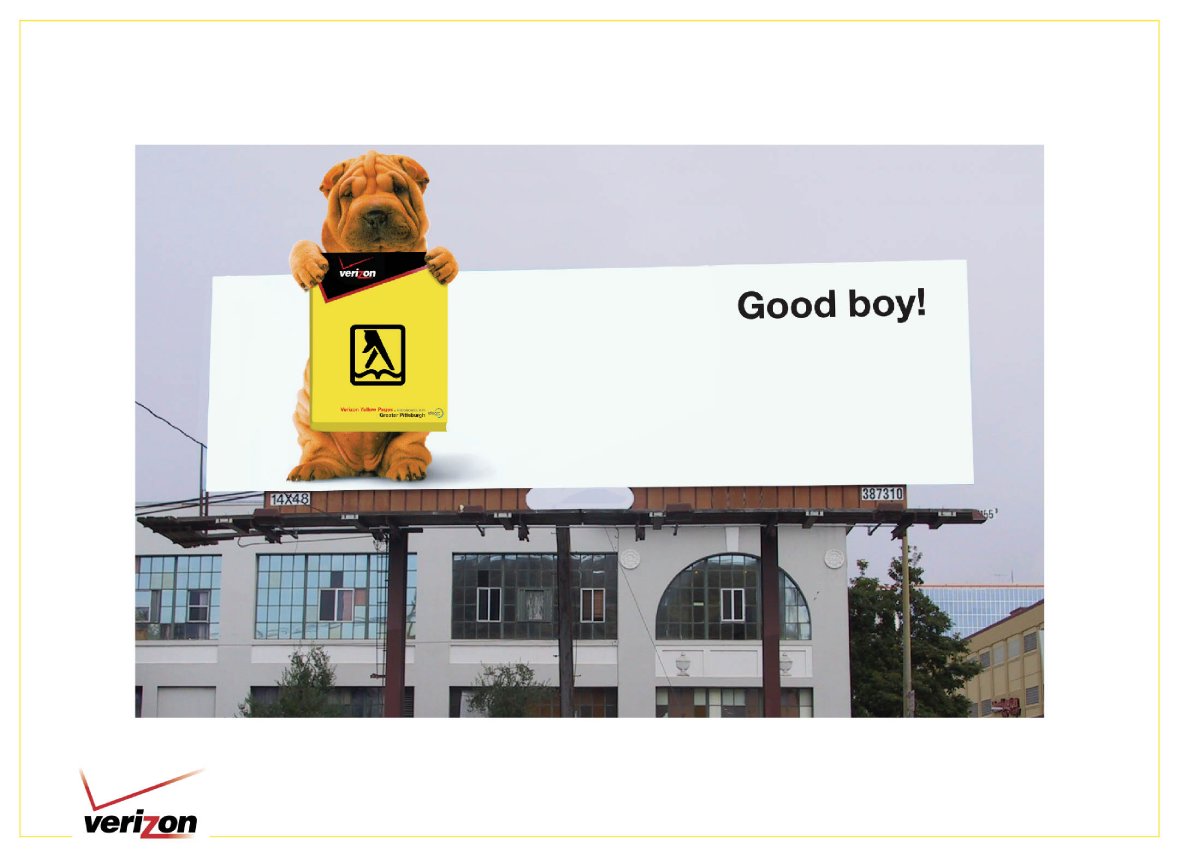
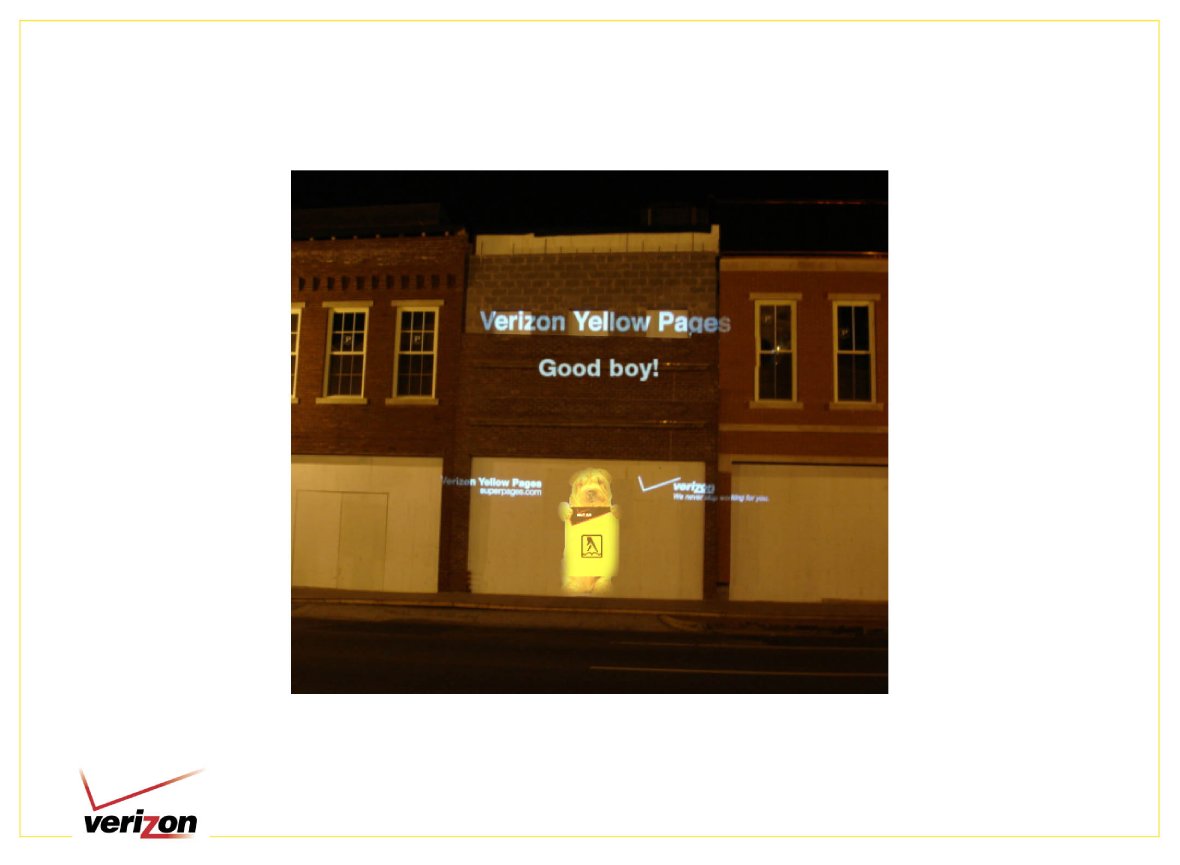
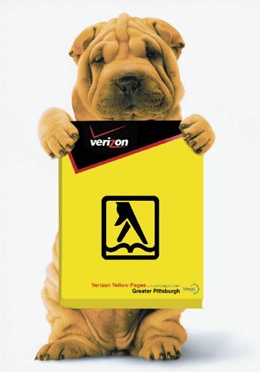
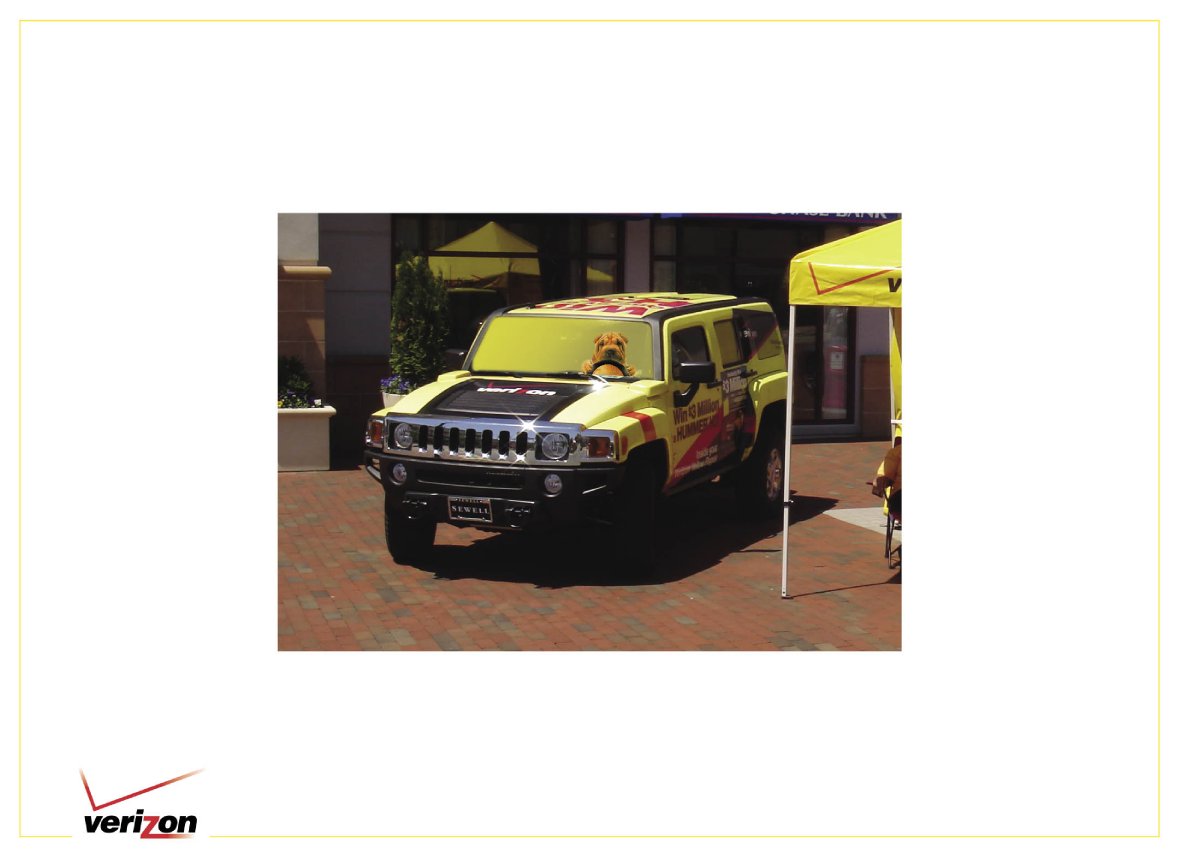
The Shar-Pei story, from television to the street.
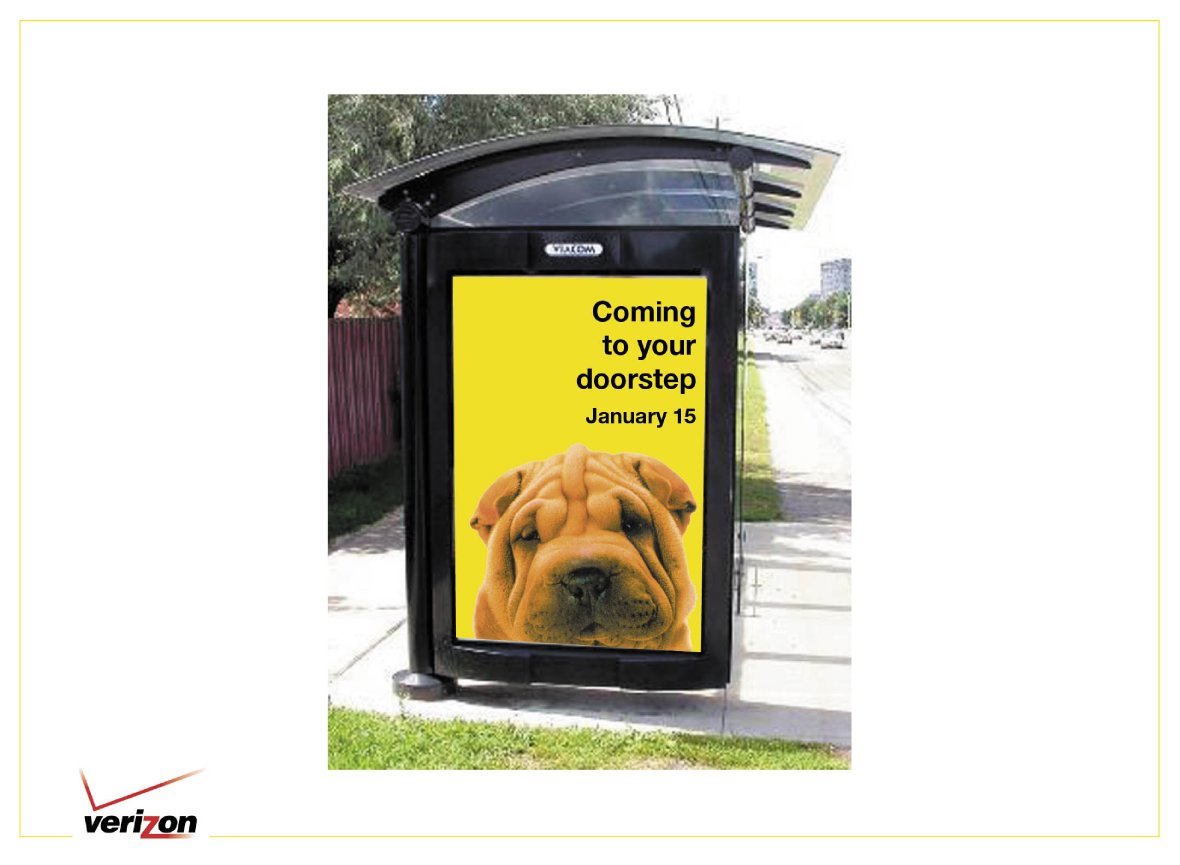
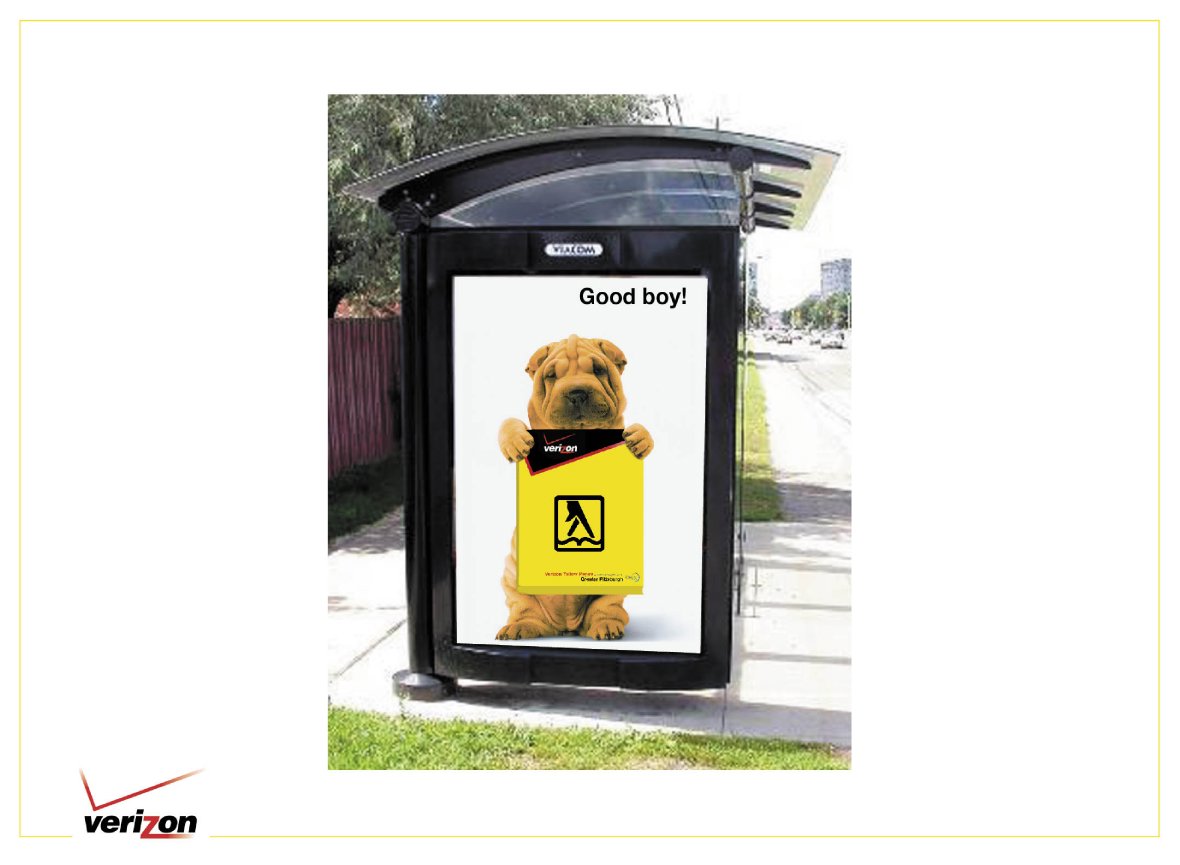
The television concepts are shown as storyboards, followed by the campaign’s teaser, outdoor and promotional applications.
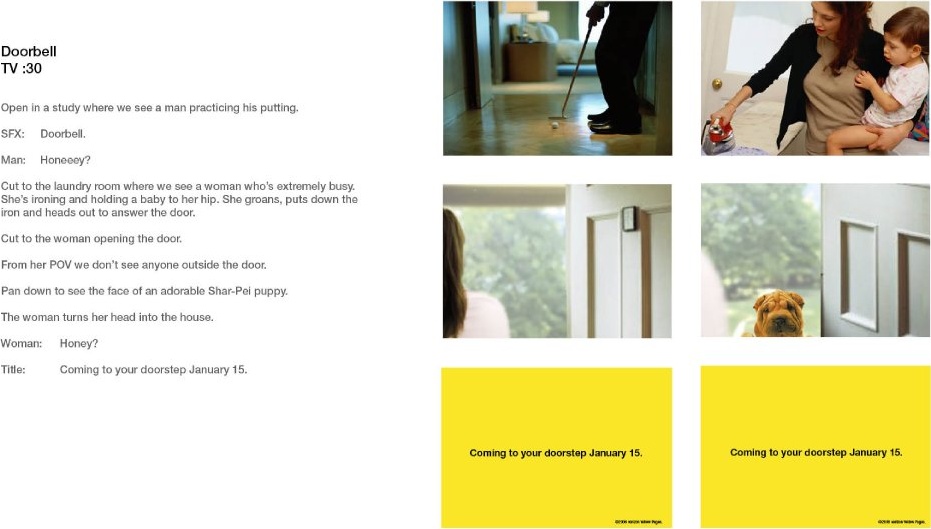
Doorbell · :30
An everyday interruption. An unexpected visitor. The Shar-Pei turns a directory arrival into a small moment of discovery.
TV STORYBOARD ANIMATION · DOORBELL


A man practices his putting in the study. The doorbell rings. He calls into the house.
View the complete storyboard

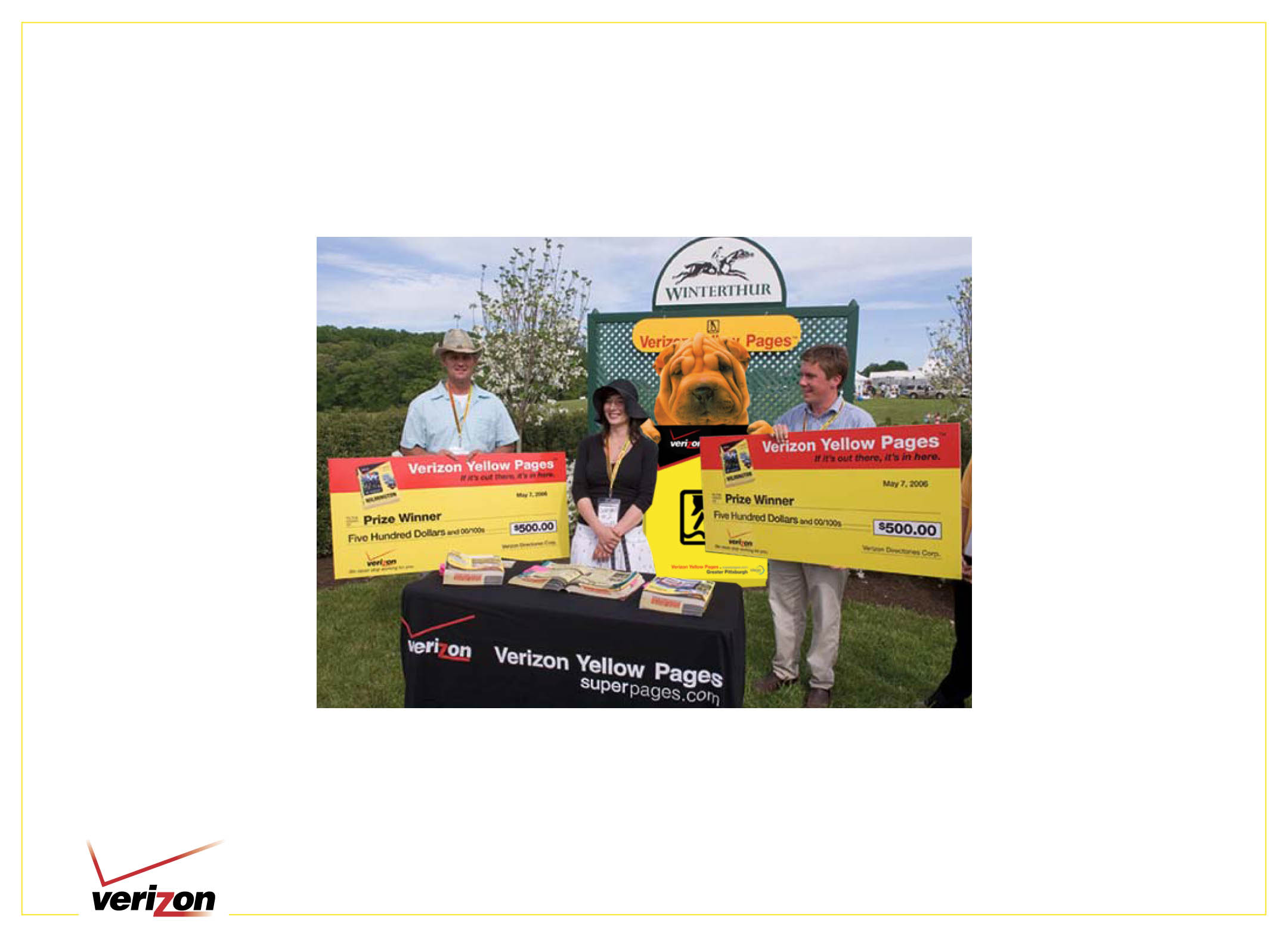
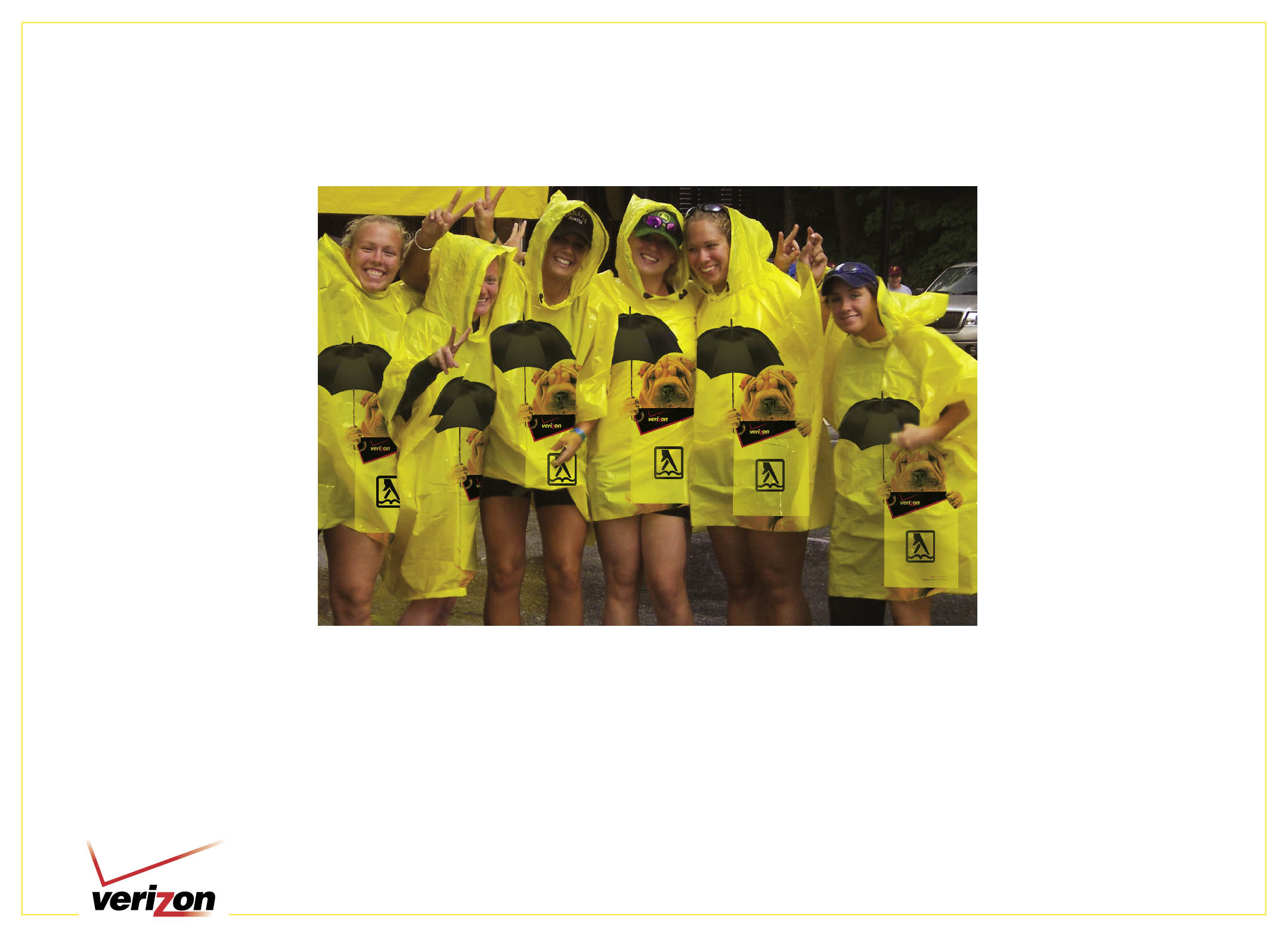

More from the Verizon archive.
Separate campaign and communication pieces: directory concepts, local-market promotions, transit partnerships and online advertising.


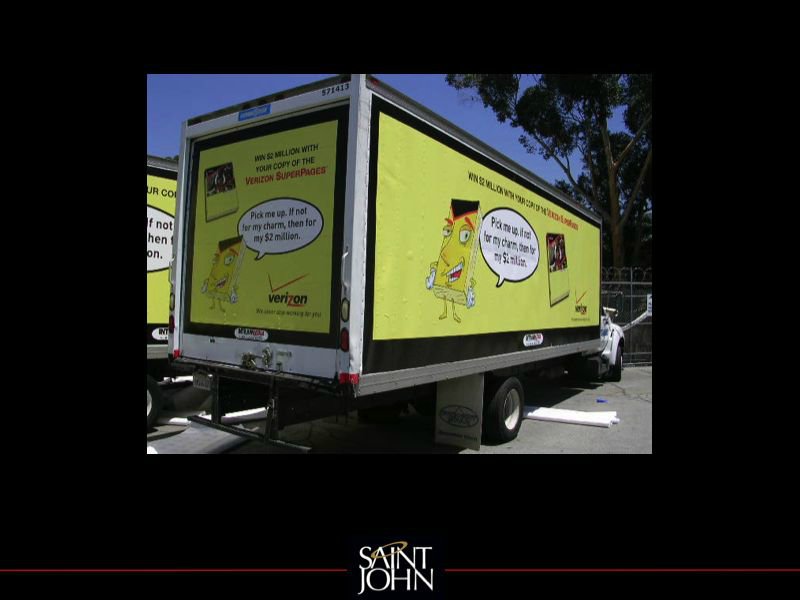

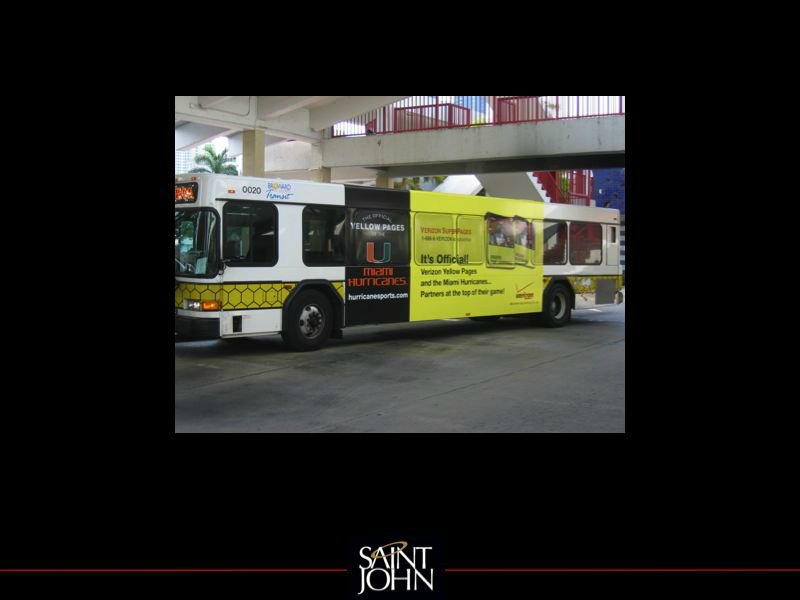
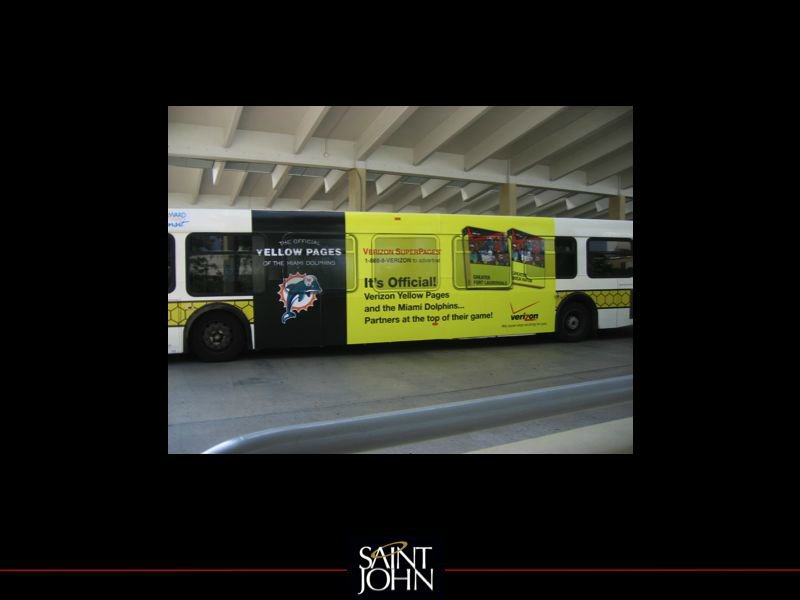

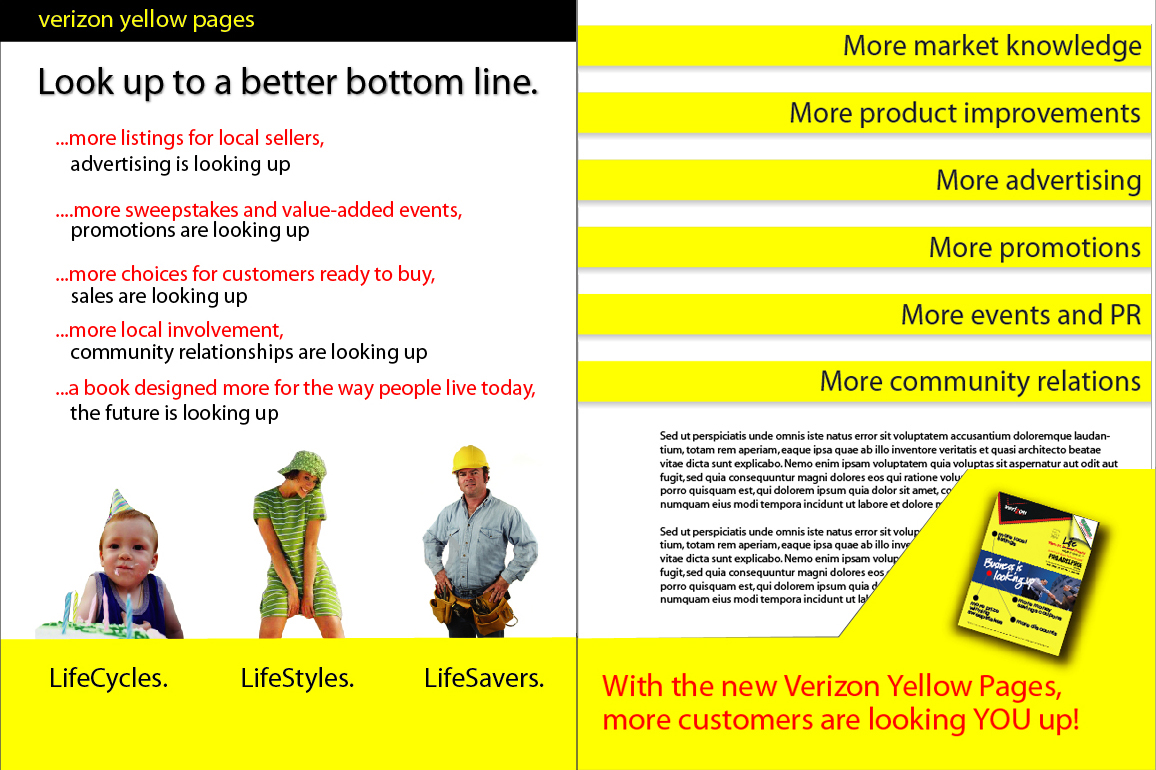
Creative direction includes the way work gets made.
Bob’s responsibilities extended beyond individual campaign concepts. His documented leadership record includes redesigning workflows, helping uncover new revenue opportunities and supporting brand transitions across a distributed organization.
The BigYellow.com project provides a concrete example of this systems thinking. A labor-intensive online advertising process led to a creative brief, a programming partnership and a reusable template-and-image system that allowed advertisers to update their own information. That project has its own detailed case study.
Campaign work supported by an operating system.
The portfolio records a body of work across television, outdoor, transit, consumer promotion and directories, supported by creative leadership across 29 markets. The case is about the relationship between the two: ideas need a production structure that lets them remain clear across channels and locations.
The lasting lesson is that creative leadership operates at more than one scale—from the image a customer sees to the workflow that allows a team to produce it.